
Building repair and strengthening
Residential and public buildings, factories: damaged concrete repaired, columns, beams, slabs and walls strengthened.
Learn more ↗
AFRICA / REHABILITATION
Buildings from the 1950s to the 1980s, public buildings, masonry structures: an old building is rehabilitated by first repairing what has deteriorated, then strengthening what needs it. BBTP, a Tunisian structural repair specialist since 2002, studies requests from all over Africa.
WARNING SIGNS
These signs mean the building should be examined by a professional:
If cracks are getting worse quickly, pieces of concrete are falling or you hear cracking noises, move people away from the area, call the emergency services or the authorities, then bring in a control office.
WHAT WE DO
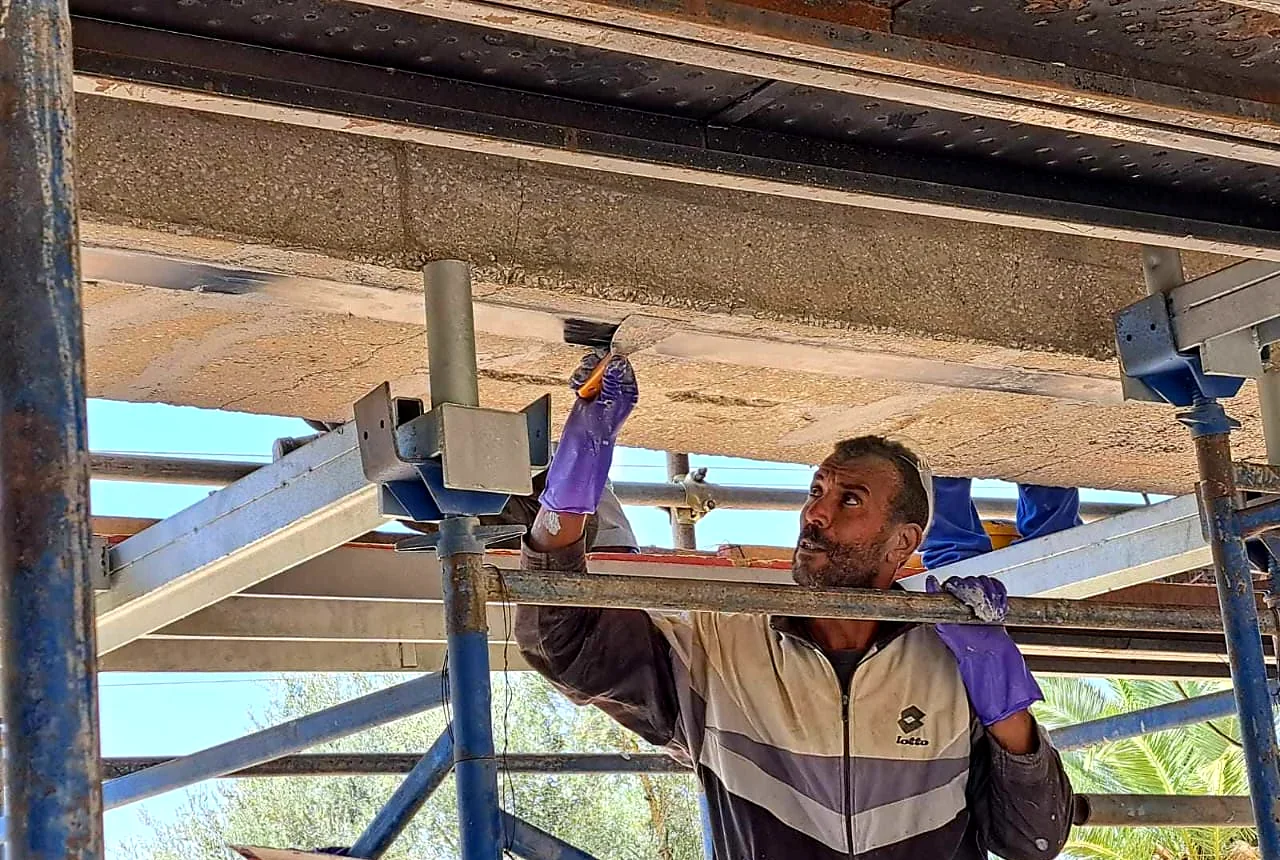
Carbon fibre is only a few millimetres thick, so it preserves the size and appearance of the members. The choice of technique rests with the design office.
Residential and public buildings, factories: damaged concrete repaired, columns, beams, slabs and walls strengthened.
Learn more ↗A new reinforced-concrete shell around columns, beams or walls, and crack injection.
Learn more ↗Bonded laminates and fabrics, column wrapping: a light strengthening that does not thicken the members.
Learn more ↗OUTSIDE TUNISIA
Photos of the defects, drawings, inspection report, location: send us what you have, by email or WhatsApp.
We review the file, then visit the structure to confirm the diagnosis and the method.
Method, resources, schedule and price, prepared according to the client’s specifications.
Our specialist teams and equipment on site, on our own or with a local contractor depending on the country, through to acceptance of the works.
IN AFRICA
From the historic centres of Tunis, Algiers or Casablanca to the colonial-era buildings of Luanda, Maputo or Dakar, much of Africa’s built heritage now needs rehabilitation.
In Angola, researchers report significant deterioration of the colonial-era built heritage and are studying its strengthening with carbon fibre composites. Source: A. P. D. Monsanto, J. P. Kai, Revista Aracê, September 2026
OUR REFERENCES
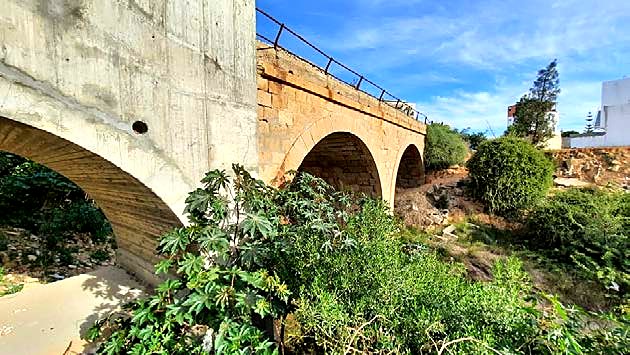
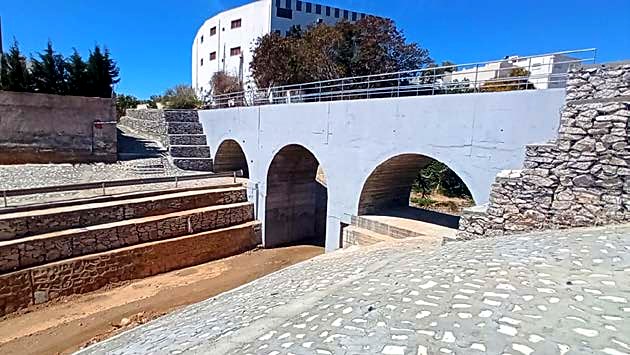
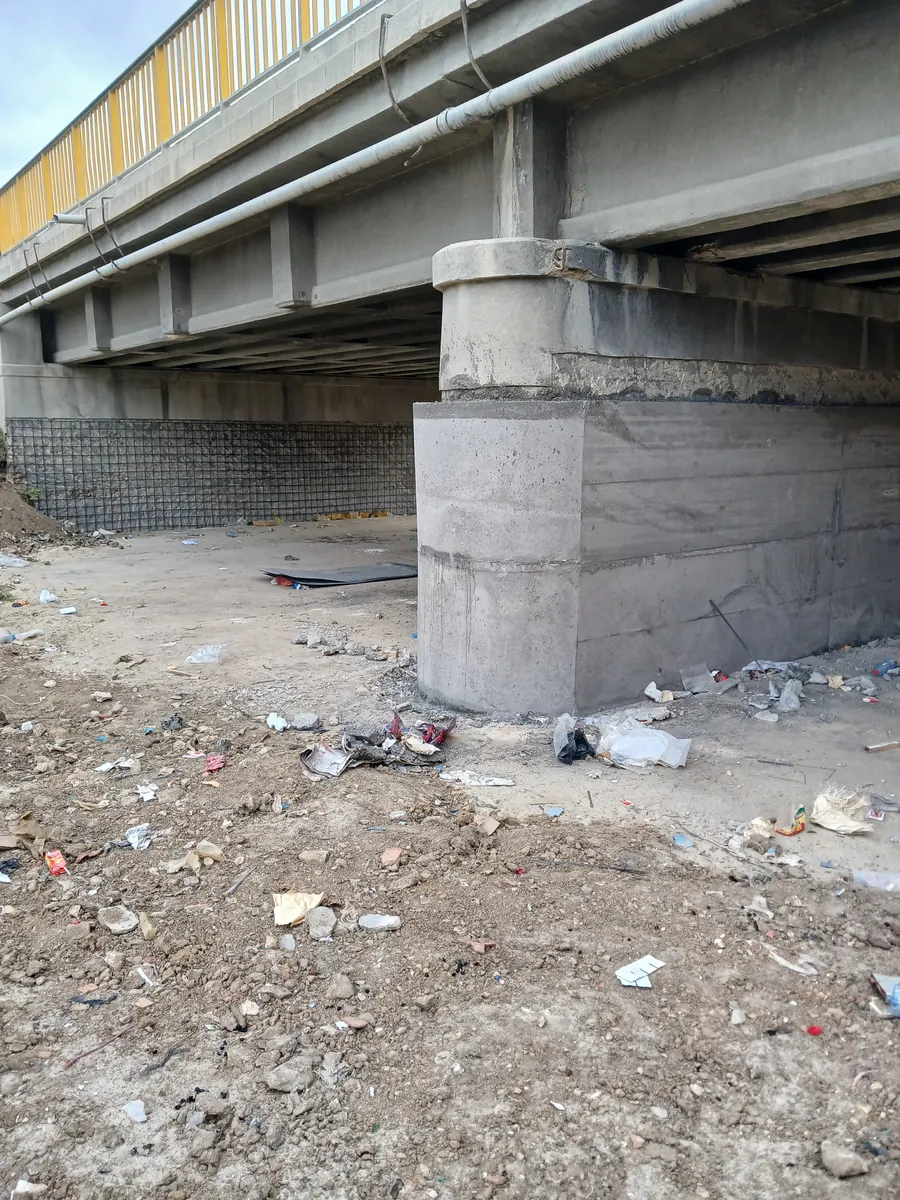
The Bir Bouregba masonry bridge (Nabeul), before and after its rehabilitation, and our strengthening techniques on bridges in Tunisia.
FAQ
Yes: we rehabilitated the Bir Bouregba masonry bridge (Nabeul) and its surroundings, with the banks protected by gabions and stone pitching.
Carbon fibre is only a few millimetres thick, so the size and appearance of the members are preserved. The choice of technique rests with the design office.
The diagnosis is based on an inspection of the structure; the strengthening design is entrusted to a design office. Decisions on the use of the building rest with the control office and the authorities.
Photos of the defects, the location and, if possible, the drawings or the latest inspection report, by WhatsApp or email.
A PROJECT IN AFRICA?
Send us your photos and the location on WhatsApp, or email us, and we will get back to you.