Laminated elastomeric bearings
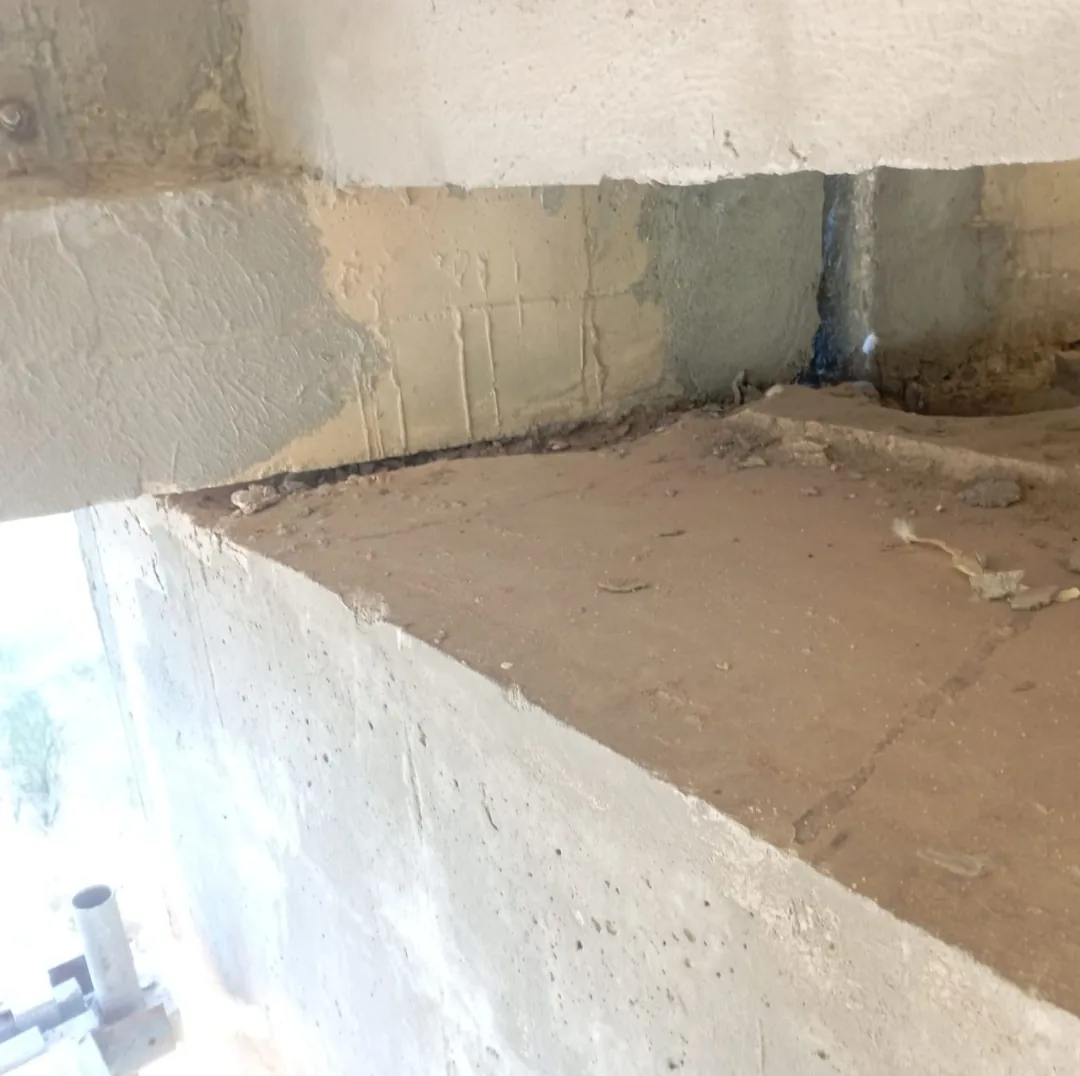
Elastomer layers alternating with steel reinforcing plates (EN 1337-3). The most common type on ordinary bridges: they carry vertical loads and allow limited rotations and movements through shear deformation.

EXPERTISE / JACKING
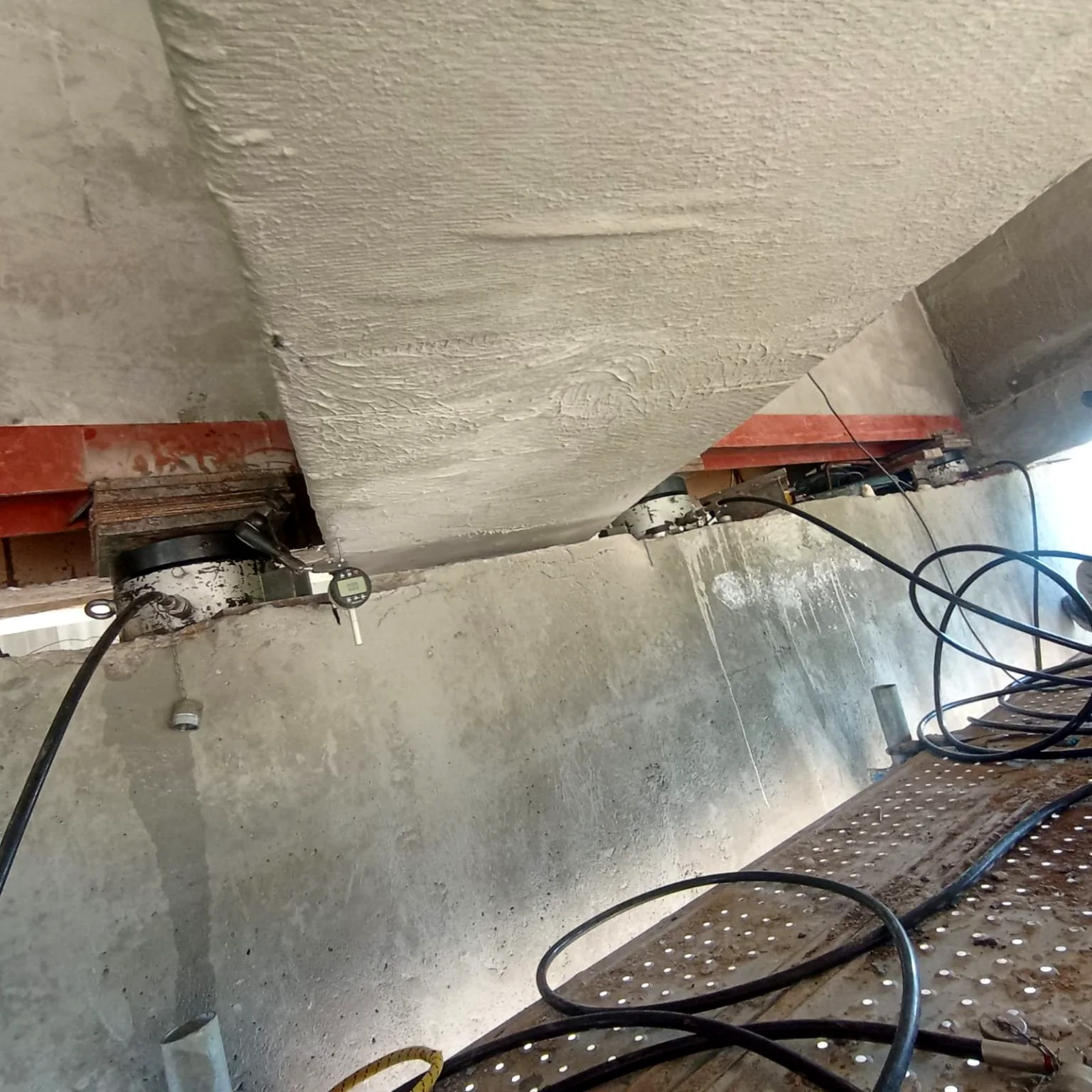
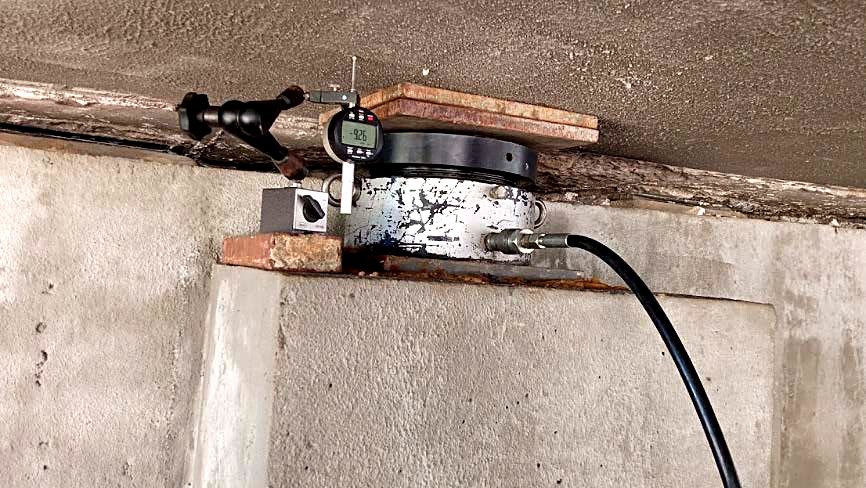
BBTP jacks bridge decks, including under traffic, to relax and replace bearings: hydraulic jacks with safety lock nuts, temporary supports on jacking blocks or trestles, displacement monitoring with sensors.
HOW IT WORKS
Jacking means lifting the deck with hydraulic jacks so that its support reactions are temporarily transferred to the jacks. The unloaded bearings can then be replaced, or support levels corrected. The lift is kept to the strict minimum and governed by a jacking design calculation.
Set between the deck and its supports (piers and abutments), bearings transfer the loads while allowing the deck rotations and movements caused by temperature, shrinkage and creep. A failing bearing restrains these movements and transfers parasitic forces to the supports.
DIAGNOSIS
These defects are found during detailed inspections. Replacing a bearing in time prevents damage to the bearing plinths, pier caps and beam ends.
RELAXATION
Concrete shrinkage and creep, temperature changes, poor setting at installation: over time, laminated elastomeric bearings build up a permanent shear distortion and transmit excessive horizontal forces to the piers and abutments. Relaxation means jacking the deck to unload the bearings: once released, they recover their original shape before the deck is lowered back.
ON SITE
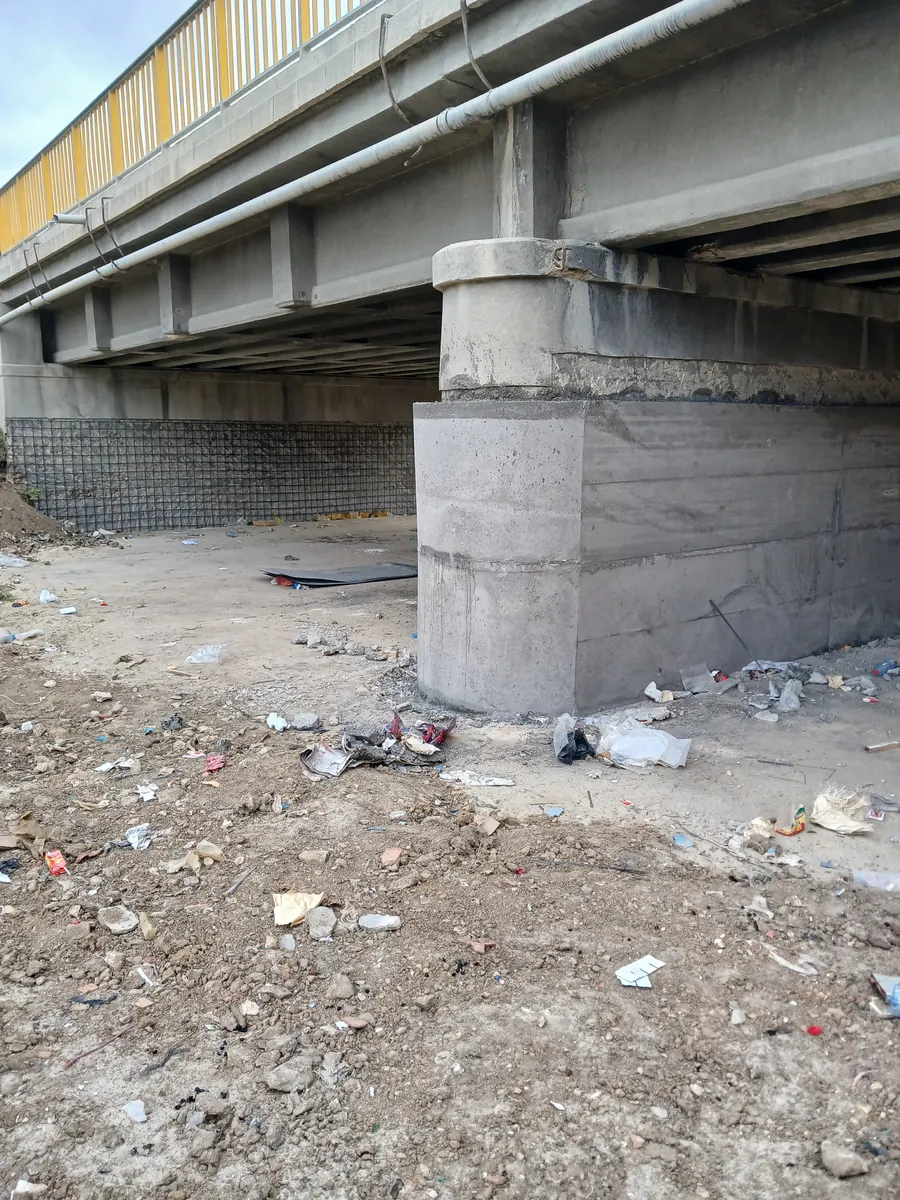
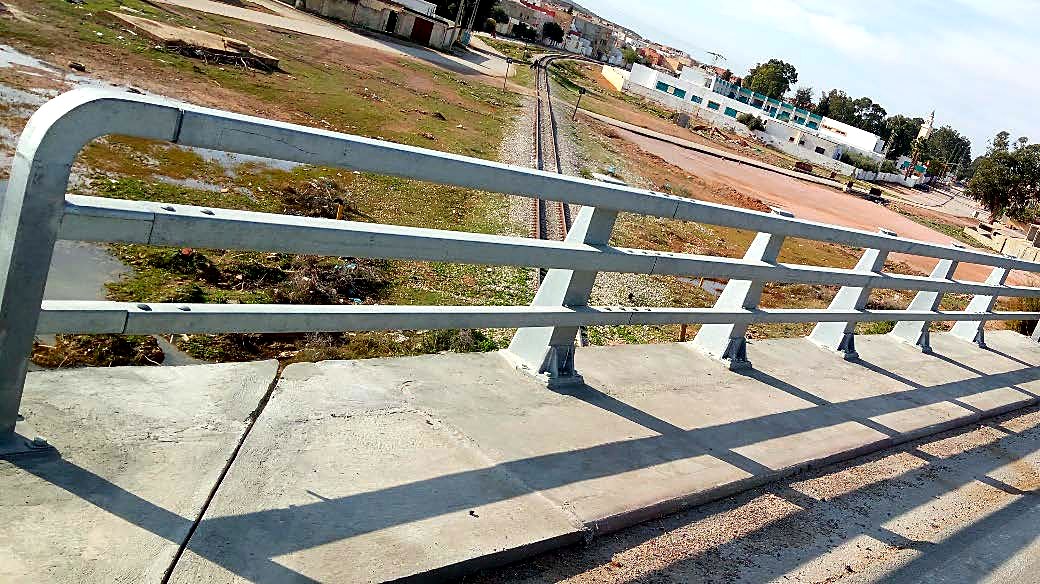
On the Medjerda river bridge in Slouguia (Béja), the deck rested directly on its supports, with no bearings: it was locked. After jacking it, BBTP built plinths and installed bearings; the deck has regained its freedom of movement.
BEARINGS
The type of bearing depends on the support reactions, rotations and movements to be accommodated.
Elastomer layers alternating with steel reinforcing plates (EN 1337-3). The most common type on ordinary bridges: they carry vertical loads and allow limited rotations and movements through shear deformation.
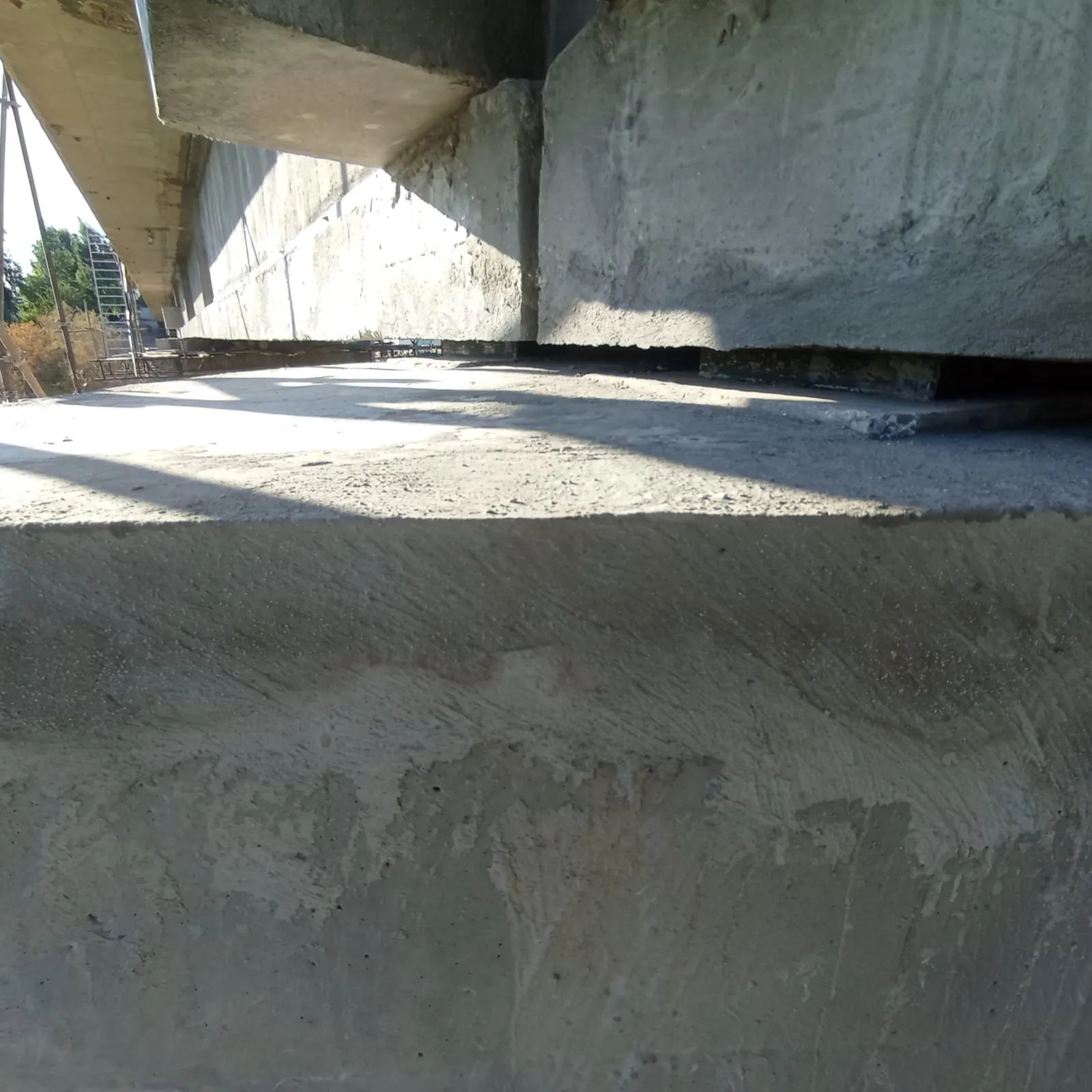
An elastomer disc confined in a steel pot (EN 1337-5). They carry high support reactions and rotations on long-span structures.
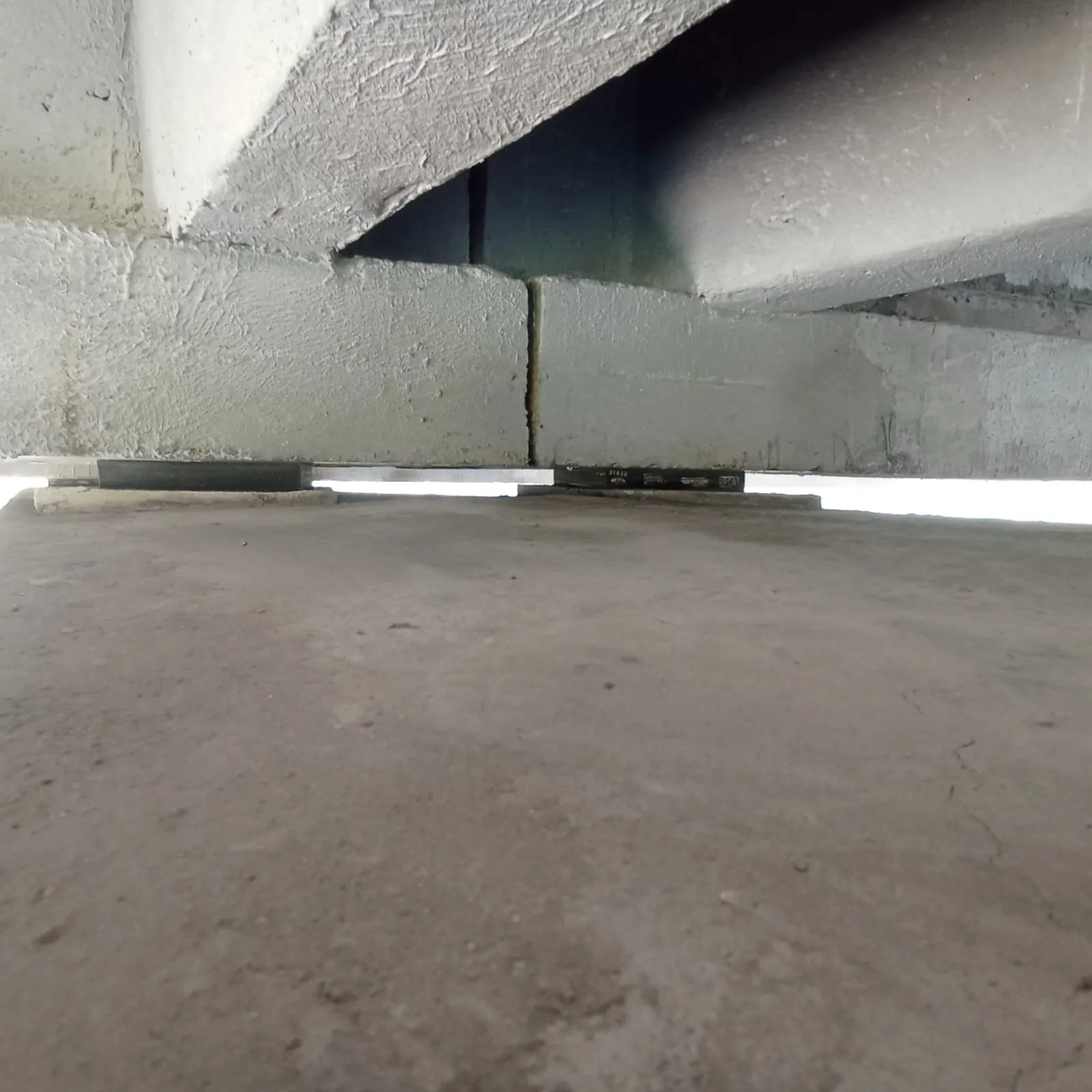
With a PTFE / stainless-steel sliding surface, they release horizontal movements and can be guided in one direction.
OUR METHOD
Condition of the bearings and plinths, geometry and access under the structure.
Design calculation and procedure: lifting points, jack capacity, temporary supports, permissible lift.
Lifting in stages, forces checked through jack pressure, displacements monitored by sensors, safety lock nuts tightened at each stage.
Removal of the old bearings, rebuilding of the plinths with non-shrink mortar where needed, installation of the new bearings.
Lowering the deck onto its new bearings, checking levels and correct bearing behaviour.
LIFTING SAFETY
At every stage, the deck remains mechanically supported: its safety never relies on hydraulic pressure alone.
ON SITE
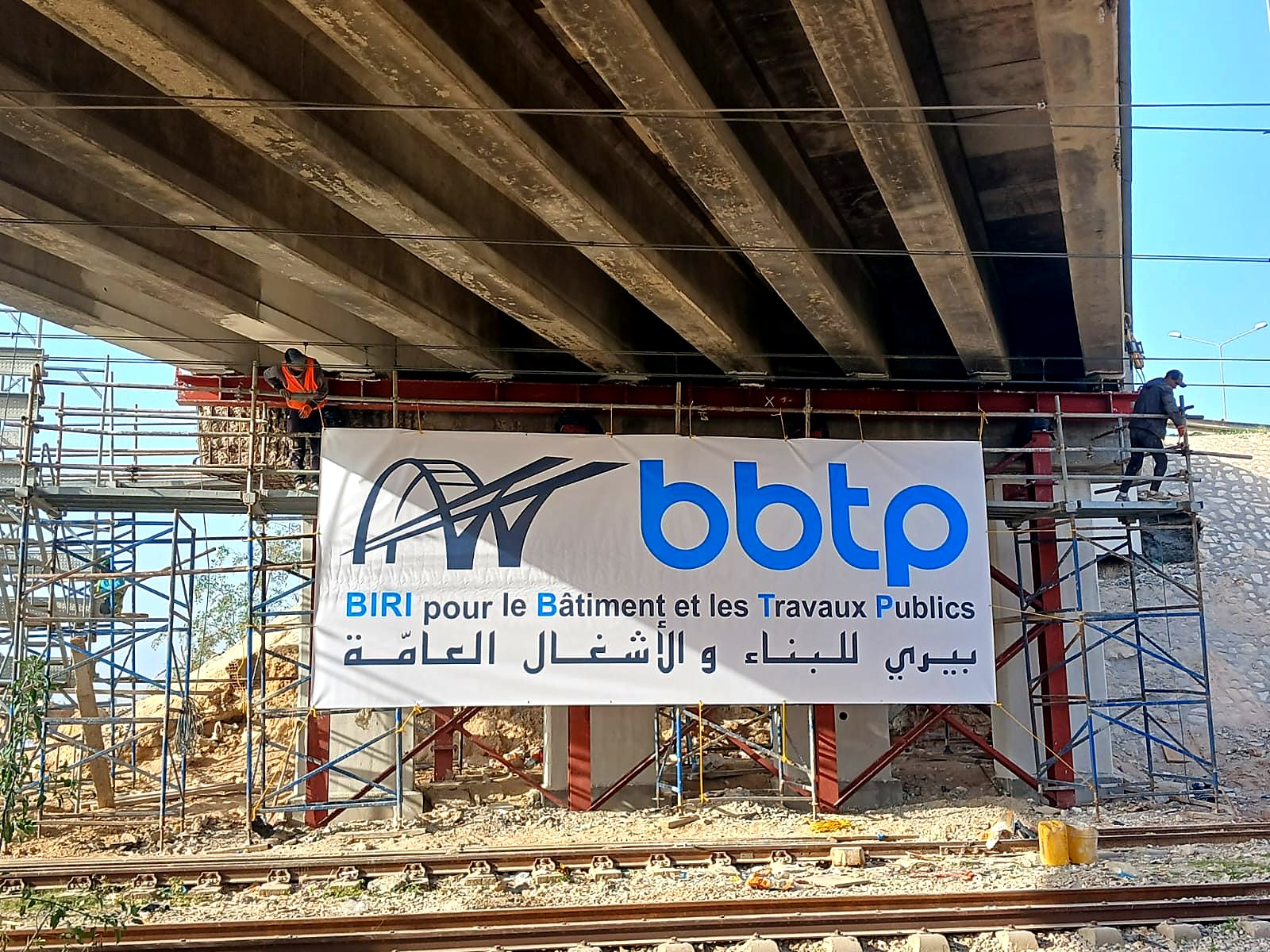
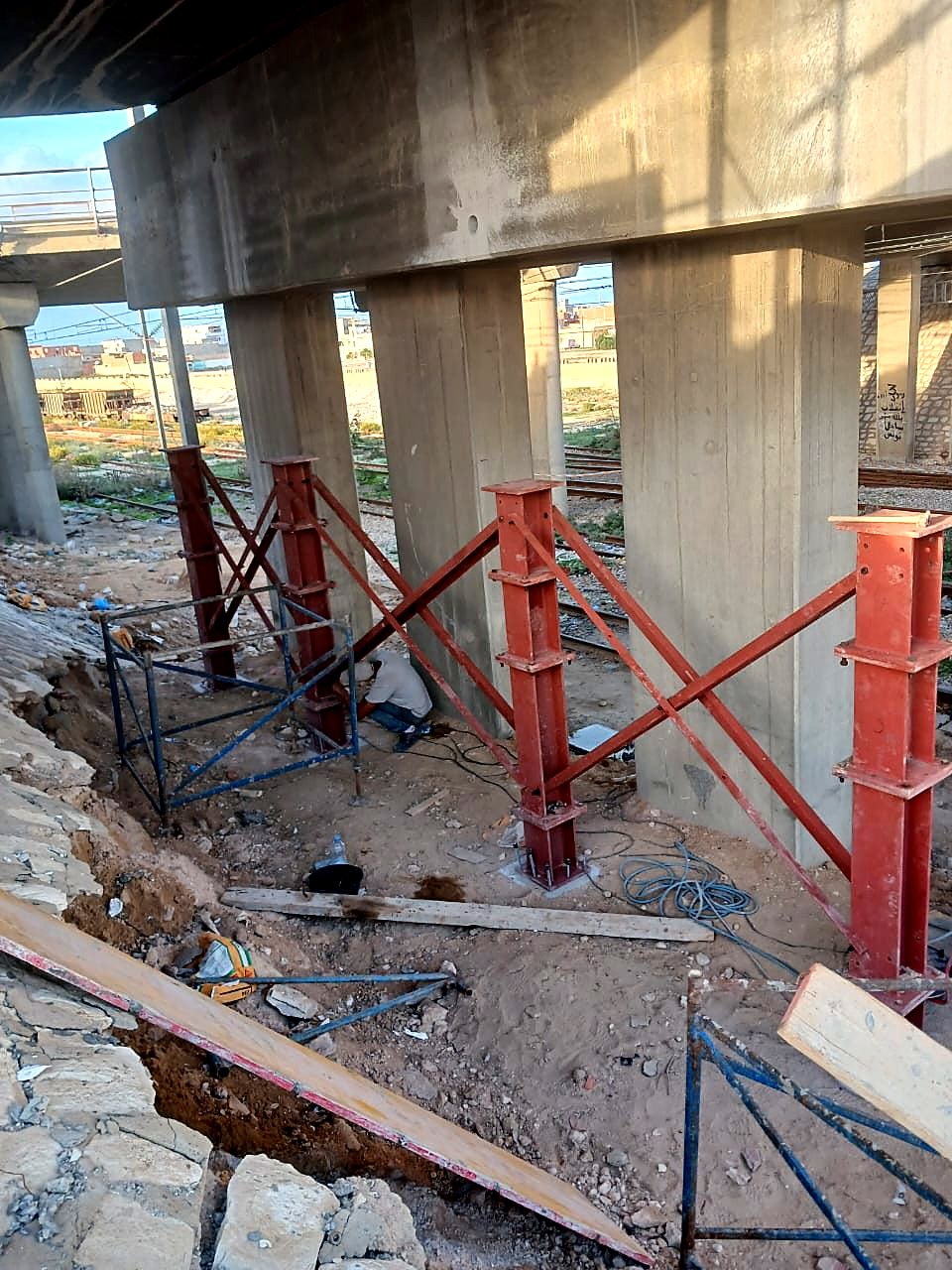
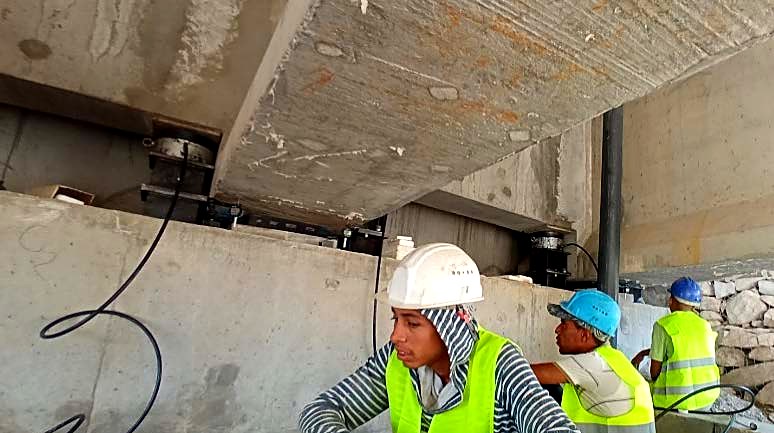
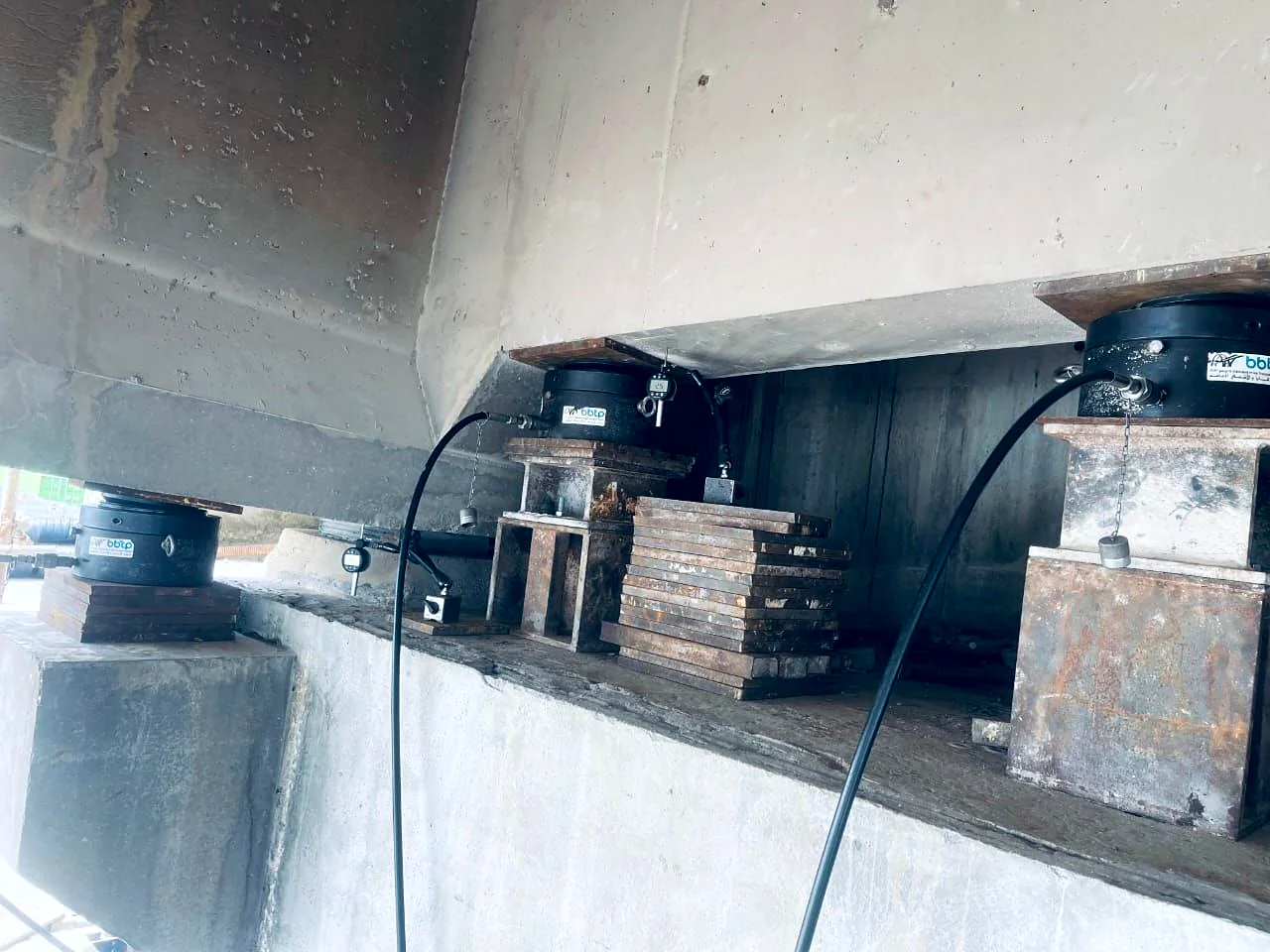
The Sidi Abdelhamid bridges, Sousse ↗ The Bizerte lift bridge ↗ The Slouguia bridge ↗
WHY BBTP
BBTP specialises in repairing bridges and strengthening structures, including bearing replacement with deck jacking.
Work in all 24 Tunisian governorates, notably for the Ministry of Equipment.
Crews trained by Mohamed Salah Biri, former head of SOMATRA’s structures department.
FAQ
Not necessarily. BBTP carries out jacking under traffic; restrictions (speed limits, alternating one-way traffic) may apply during the lifting phases, as agreed with the owner.
It is a jacking operation: the deck is lifted just enough to unload the laminated elastomeric bearings, which then recover their original shape, before it is lowered back. It removes the distortion built up by shrinkage, creep and temperature, and goes together with replacing any damaged bearings.
It depends on the number of bearings, access and the jacking method. We set the schedule after surveying the structure.
In Tunisia, in all 24 governorates, notably for the Ministry of Equipment, and abroad: we consider requests from anywhere in Africa.
It is the most common bearing: an elastomer block reinforced with steel plates, which carries vertical loads and allows, through shear deformation, the rotations and horizontal movements of the deck.
Only as much as needed to unload and remove the bearing, usually a few millimetres. The maximum lift and the permissible difference between lifting points are set by the jacking design calculation.
No. When the pier caps offer enough space and strength, the jacks sit on jacking blocks. Otherwise, temporary trestles are erected under the deck, as on the Sidi Abdelhamid bridges in Sousse.
A BRIDGE TO JACK?
Project owners, design offices, contractors: tell us about the structure and the defects observed, and we will get back to you.
Contact us